



Project Background
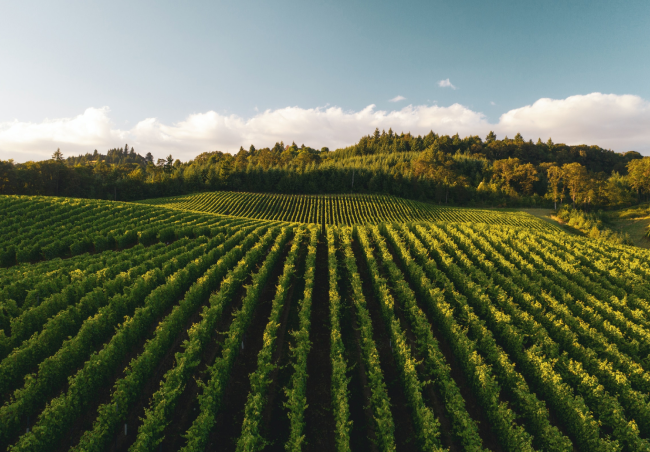
South Africa is a major producer of oil crops, producing around 800,000 tons of sunflower and 200,000 tons of canola annually. The Western Cape region hosts a well-established value chain, with Southern Oil (Pty) Ltd. (SOILL) operating as Africa’s largest canola crusher and oil producer. SOILL collaborates with 500 local farmers across 100,000 hectares.
ENI is working with SOILL to secure canola and sunflower oil supplies for 2025. The project aims to explore opportunities to expand production, adopt regenerative agricultural practices, optimize logistics, and reduce greenhouse gas (GHG) emissions. The feasibility study will be supported by 8 weeks of continuous AESA assistance.
Project Objectives
The feasibility study will:
- Analyze the market: Examine the South African biofuel sector, including supply-demand balance, imports/exports, and regulations.
- Map the value chain: Assess crushing capacity, transport logistics, storage, and infrastructure for sunflower and canola in the Western Cape.
- Assess production expansion: Evaluate potential on degraded land and in rotation with food crops.
- Evaluate regenerative agriculture: Explore practices to enhance soil fertility, reduce GHG emissions, and integrate tree crops.
- Assess environmental & social impact: Estimate soil improvements, yield increases, and socio-economic benefits.
- Optimize the supply chain: Recommend strategies to improve logistics and support sustainable growth.
Project Activities
The study follows a four-pillar approach:
- Desk Review: Analyze technical reports, literature, and statistics to map value chains, identify trends, and knowledge gaps.
- Field Mission: Conduct a three-week field visit with farmers, agrifood companies, logistics operators, plant managers, local authorities, and SOILL to collect primary data.
- Technical & Economic Assessment: Evaluate costs and revenues across the value chain, including seed production, processing, logistics, by-products, and regenerative farming adoption.
- Environmental & Social Assessment: Assess GHG reduction, soil fertility improvements, crop resilience, and social impacts like stakeholder inclusion and alignment with local priorities.
Project Deliverables
1. Value Chain Study
- Mapping of farms, agronomic practices, mechanization, and inputs.
- Stakeholder and facility analysis: locations, processing volumes, capacity, seasonality, storage, and logistics.
- By-product valorization, focusing on oil cake for feed.
- Cost analysis across the value chain.
- Recommendations for social, environmental, and sustainability practices.
2. Feasibility Study
- Identify regenerative agriculture practices and guidelines for soil types, expected outcomes, and economic benefits.
- Assess expansion potential on degraded land or crop rotations, including certifications and by-product valorization.
- Analyze supply chain bottlenecks and recommend business models, procurement strategies, and logistics solutions for local and international markets (Kenya, Congo).
- Forecast achievable raw material (seeds) and feedstock (oil) volumes for 2025–2028.